







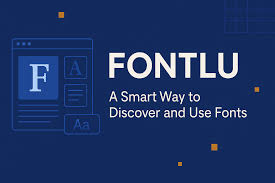
The difference between a product that feels polished and one that feels forgettable often comes down to details most people can’t quite name. Typography is one of those details—quiet, powerful, and deeply influential. In today’s digital-first economy, where attention is scarce and perception is everything, a new concept is emerging at the intersection of design, branding, and technology: fontlu.
Fontlu represents a modern approach to how organizations think about typography—not as a static design choice, but as a dynamic system that shapes user experience, brand perception, and even conversion rates. For startup founders, entrepreneurs, and tech professionals, understanding fontlu is no longer a niche design concern. It’s a strategic advantage.
What Fontlu Really Means in the Digital Landscape
At its core, fontlu is about intelligent typography. It goes beyond selecting a visually appealing font and instead focuses on how typography behaves across platforms, adapts to user contexts, and aligns with brand identity at scale.
In the past, typography decisions were largely aesthetic. Designers chose fonts based on style, readability, or brand personality. Today, those decisions carry far more weight. A font influences how quickly users process information, how trustworthy a brand appears, and how seamlessly a product feels to navigate.
Fontlu acknowledges this shift. It treats typography as an active component of digital systems—one that evolves with user behavior, device constraints, and content demands.
The Business Case for Fontlu
For many organizations, typography is still an afterthought. But in reality, it has measurable business impact.
Consider user experience. When typography is inconsistent or difficult to read, users disengage. They spend less time on the platform, absorb less information, and are less likely to convert. On the other hand, well-implemented typography creates a sense of clarity and flow that keeps users engaged.
Brand perception is another critical factor. Fonts communicate tone instantly. A sleek, modern typeface suggests innovation, while a traditional serif might signal reliability and heritage. Fontlu ensures that these signals remain consistent across every touchpoint—from websites to mobile apps to marketing materials.
There’s also an operational advantage. Organizations that standardize typography reduce design inconsistencies, streamline workflows, and improve collaboration between teams.
Why Fontlu Is Gaining Momentum
The rise of fontlu is closely tied to the increasing complexity of digital ecosystems. Today’s businesses operate across multiple platforms—web, mobile, social media, and more. Each platform has its own constraints and user expectations.
Maintaining consistent typography across these environments is challenging. Without a structured approach, brands often end up with fragmented visual identities.
At the same time, user expectations have evolved. People are more sensitive to design quality than ever before. Subtle inconsistencies that might have gone unnoticed a decade ago now stand out immediately.
Technology is also playing a role. Advances in responsive design, variable fonts, and design systems have made it possible to implement typography in more sophisticated ways. Fontlu leverages these advancements to create cohesive, adaptable systems.
Recognizing the Absence of Fontlu
Many organizations don’t realize they lack fontlu until the symptoms become obvious. One common sign is inconsistency. Different parts of a product or website use slightly different fonts, sizes, or spacing, creating a disjointed experience.
Another indicator is poor readability. If users struggle to scan content quickly or feel fatigued while reading, typography may be the issue.
Brand dilution is also a risk. When typography varies across channels, the brand loses its visual identity. This can make even well-designed products feel unprofessional.
Finally, inefficiency within design teams often points to a lack of fontlu. Without clear guidelines, designers spend unnecessary time making decisions that should already be standardized.
Building a Fontlu Strategy
Implementing fontlu requires a shift in how organizations approach typography. It’s not about choosing a single font—it’s about creating a system.
The first step is defining a typographic identity. This includes selecting primary and secondary fonts, establishing hierarchy rules, and aligning typography with brand values.
Next comes consistency. Typography should be standardized across all platforms and products. This often involves creating a design system that includes detailed guidelines for font usage, spacing, and responsiveness.
Adaptability is equally important. Fontlu systems should account for different screen sizes, languages, and accessibility needs. Typography must remain effective regardless of context.
Finally, integration ensures that typography works seamlessly with other design elements. It should complement layout, color, and interaction design rather than compete with them.
A Practical Framework for Fontlu Implementation
To make fontlu actionable, organizations can follow a structured framework:
| Stage | Focus Area | Outcome |
| Discovery | Audit current typography | Identify inconsistencies |
| Definition | Establish font guidelines | Clear typographic identity |
| Standardization | Apply across platforms | Consistent user experience |
| Optimization | Improve readability and flow | Enhanced engagement |
| Governance | Maintain and evolve system | Long-term brand coherence |
This approach ensures that typography evolves alongside the organization rather than becoming outdated or fragmented.
The Role of Leadership in Fontlu Adoption
Typography may seem like a design detail, but its impact extends across the entire organization. That’s why leadership plays a critical role in adopting fontlu.
Executives and founders must recognize typography as a strategic asset. Investing in design systems, supporting cross-team collaboration, and prioritizing consistency are essential steps.
Equally important is aligning teams. Marketing, product, and design departments should work from the same typographic guidelines. This alignment ensures that the brand feels cohesive, regardless of where users encounter it.
When leadership values design at this level, fontlu becomes embedded in the organization’s culture.
Fontlu and the Future of Digital Design
As technology continues to evolve, the importance of fontlu will only increase. Emerging trends such as personalized user experiences and AI-driven interfaces will require typography to adapt in real time.
Variable fonts, for example, allow a single typeface to adjust weight, width, and style dynamically. This opens up new possibilities for responsive design and accessibility.
Similarly, AI can analyze user behavior to optimize typography for readability and engagement. Fontlu provides the framework for integrating these technologies effectively.
In the future, typography will not just support content—it will actively shape how content is experienced.
Turning Typography Into a Competitive Advantage
Organizations that embrace fontlu gain more than visual consistency—they gain a competitive edge.
Clear, readable typography improves user engagement and reduces friction. Consistent design builds trust and strengthens brand identity. Efficient systems reduce operational overhead and speed up development.
In a crowded digital landscape, these advantages can make a significant difference. While competitors focus on features, organizations with strong fontlu focus on experience.
The result is a product that not only works well but feels right.
From Aesthetic Choice to Strategic System
One of the most important shifts in understanding fontlu is moving beyond aesthetics. Typography is no longer just about how things look—it’s about how they function.
A well-designed typographic system guides users through content, highlights key information, and creates a sense of rhythm and flow. It supports decision-making and enhances usability.
This functional perspective transforms typography from a design detail into a core component of product strategy.
Conclusion: Why Fontlu Matters Now
Fontlu represents a new way of thinking about typography in the digital age. It recognizes that small design choices can have a big impact—and that consistency, clarity, and adaptability are essential for success.
For startup founders, entrepreneurs, and tech professionals, the message is clear: typography is not optional. It’s a fundamental part of how users experience your product and perceive your brand.
By adopting a fontlu approach, organizations can create digital experiences that are not only visually appealing but also intuitive, engaging, and scalable.
In a world where first impressions are formed in seconds, typography can be the difference between capturing attention and losing it. Fontlu ensures that those impressions are not left to chance—but designed with intention.