










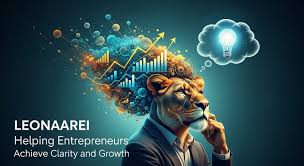
The digital world has quietly undergone a transformation. What began as static profiles and fragmented online identities has evolved into something far more dynamic, adaptive, and influential. At the center of this shift is a concept gaining traction among forward-thinking founders and technologists: leonaarei. While the term may still feel unfamiliar, its implications are deeply relevant to anyone building, scaling, or navigating digital ecosystems today.
Leonaarei represents a new way of understanding digital presence—not as a collection of accounts or data points, but as a cohesive, intelligent identity that evolves over time. For startups, entrepreneurs, and tech professionals, this is more than a conceptual shift. It’s a strategic opportunity to redefine how users interact with products, platforms, and brands.
Understanding Leonaarei in a Modern Context
At its core, leonaarei is about continuity and intelligence in digital identity. Traditionally, users interact with platforms in isolated ways—logging into apps, creating profiles, and leaving behind disconnected trails of data.
Leonaarei changes this paradigm.
It envisions a unified identity layer that connects these interactions, allowing systems to understand not just who a user is, but how they behave, what they prefer, and how their needs evolve over time. This creates a more fluid, personalized, and responsive digital experience.
For example, instead of repeatedly setting preferences across different platforms, a leonaarei-driven system would adapt automatically. It would learn from past behavior and anticipate future needs, creating a seamless user journey.
The Evolution of Digital Identity
To appreciate the significance of leonaarei, it’s important to look at how digital identity has evolved.
In the early days of the internet, identity was minimal—often limited to usernames and passwords. As platforms grew, profiles became more detailed, incorporating personal information, preferences, and social connections.
However, this growth also led to fragmentation.
Users now maintain multiple identities across platforms, each with its own data and context. This fragmentation creates inefficiencies and limits the potential for personalization.
Leonaarei addresses this challenge by introducing a unified framework. It doesn’t replace existing systems but connects them, creating a more holistic view of the user.
This shift mirrors broader trends in technology, where integration and interoperability are becoming increasingly important.
Why Leonaarei Matters for Startups
For startups, leonaarei offers a powerful way to differentiate in crowded markets. User experience has become a key battleground, and personalization is a major driver of engagement.
Leonaarei enables a deeper level of personalization—one that goes beyond surface-level customization.
By leveraging interconnected identity systems, startups can create experiences that feel intuitive and tailored. This not only improves user satisfaction but also increases retention and loyalty.
There is also a strategic advantage in data utilization.
Instead of treating data as isolated points, leonaarei allows startups to build meaningful insights. These insights can inform product development, marketing strategies, and customer support.
In a competitive landscape, this level of understanding can be a decisive factor.
The Core Components of Leonaarei
To understand how leonaarei functions, it helps to break it down into its key components. These elements work together to create a cohesive system.
| Component | Description | Business Impact |
| Unified Identity Layer | Connects user data across platforms | Seamless user experience |
| Behavioral Intelligence | Analyzes user actions and patterns | Improved personalization |
| Adaptive Interfaces | Adjusts UI based on user context | Higher engagement |
| Data Integration | Combines data from multiple sources | Better insights and decision-making |
| Privacy Framework | Ensures secure and ethical data usage | Increased trust and compliance |
This table highlights an important point: leonaarei is not just about technology. It’s about how different elements come together to create value.
Leonaarei and User Experience Design
User experience is where leonaarei truly comes to life. Traditional UX design often focuses on optimizing individual interactions—making buttons easier to click or navigation more intuitive.
Leonaarei takes a broader view.
It considers the entire user journey, across platforms and over time. This allows designers to create experiences that are not only functional but also coherent and consistent.
For instance, a user interacting with a productivity app in the morning and a collaboration tool in the afternoon should not feel like they are starting from scratch each time. Leonaarei ensures continuity, making the transition seamless.
This level of integration can significantly enhance user satisfaction.
The Role of AI in Leonaarei
Artificial intelligence plays a crucial role in enabling leonaarei. Without AI, managing and interpreting the vast amounts of data involved would be impractical.
AI allows systems to:
Recognize patterns in user behavior
Predict future actions and preferences
Automate personalization at scale
Continuously improve through learning
For example, an AI-powered leonaarei system might detect that a user prefers certain types of content at specific times of day. It can then adjust the interface or recommendations accordingly.
This creates a more dynamic and responsive experience.
For startups, integrating AI into leonaarei systems can unlock new levels of efficiency and innovation.
Privacy and Ethical Considerations
With great power comes great responsibility. The same capabilities that make leonaarei powerful also raise important questions about privacy and ethics.
Users are becoming increasingly aware of how their data is used. Trust is no longer optional—it is essential.
Leonaarei frameworks must prioritize transparency, security, and user control. This includes:
Clear communication about data usage
Robust security measures to protect information
Options for users to manage their data and preferences
Failing to address these concerns can undermine the benefits of leonaarei.
For founders, this means building privacy into the system from the start, rather than treating it as an afterthought.
Challenges in Implementing Leonaarei
Despite its potential, implementing leonaarei is not without challenges. One of the biggest obstacles is integration.
Connecting multiple systems, platforms, and data sources requires significant technical expertise. It also demands careful planning to ensure compatibility and scalability.
Another challenge is data quality.
For leonaarei to function effectively, the data it relies on must be accurate and consistent. Poor data quality can lead to incorrect insights and suboptimal experiences.
There is also the issue of user adoption.
While leonaarei aims to simplify interactions, users may be hesitant to embrace new systems, especially if they involve sharing more data. Building trust is critical.
Practical Steps for Startups
For startups looking to explore leonaarei, the key is to start with a clear strategy.
Begin by identifying the most important user interactions within your product. Focus on areas where continuity and personalization can add the most value.
Next, invest in data integration.
Ensure that your systems can communicate effectively and share information. This creates the foundation for a unified identity layer.
It’s also important to leverage AI thoughtfully.
Rather than implementing complex solutions from the outset, start with simple use cases and expand over time.
Finally, prioritize user trust.
Be transparent about how data is used and provide users with control over their information. This builds confidence and encourages adoption.
Leonaarei Across Industries
The versatility of leonaarei makes it applicable across a wide range of industries.
In e-commerce, it can create personalized shopping experiences that adapt to user preferences.
In healthcare, it can enable more accurate and continuous patient monitoring.
In finance, it can improve risk assessment and customer service through better data integration.
For SaaS platforms, leonaarei can enhance collaboration and productivity by creating seamless user experiences.
Each industry presents unique challenges, but the underlying principles remain the same.
The Future of Leonaarei
As technology continues to evolve, the concept of leonaarei is likely to become more prominent. Advances in AI, data processing, and interoperability will make it easier to implement and scale.
We may see the emergence of standardized identity frameworks that allow users to carry their leonaarei across platforms.
This could fundamentally change how digital ecosystems operate.
Instead of isolated platforms, we may move toward interconnected environments where user experiences are consistent and continuous.
For startups, this represents both an opportunity and a challenge.
Those who adopt leonaarei early can gain a competitive edge. However, they must also navigate the complexities of implementation and ethics.
Strategic Implications for Founders
Leonaarei is not just a technical concept—it is a strategic one. It influences how products are designed, how data is managed, and how users are engaged.
For founders, this means thinking beyond individual features and focusing on the broader system.
It requires a shift from short-term optimization to long-term value creation.
By embracing leonaarei, startups can build products that are not only innovative but also deeply aligned with user needs.
Conclusion
Leonaarei represents a significant evolution in how we understand digital identity and user experience. It moves beyond fragmented systems to create a unified, intelligent, and adaptive presence.
For entrepreneurs and tech professionals, this shift offers a powerful opportunity to redefine engagement, improve decision-making, and build stronger connections with users.
The path to implementing leonaarei is not without challenges, but the potential rewards are substantial.
In a world where digital interactions are constantly expanding, the ability to create seamless, personalized experiences is a true competitive advantage.
Leonaarei is not just about managing identity—it’s about unlocking its full potential.