









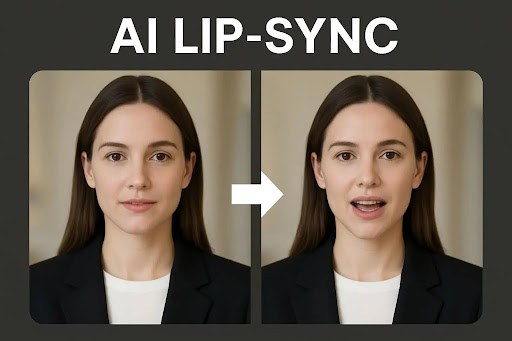
AI-powered lip sync technology has transformed digital content creation in 2026. From realistic talking avatars to multilingual video dubbing and UGC-style ads, creators now have access to tools that can generate studio-quality videos in minutes. Whether you’re a YouTuber, marketer, agency owner, or social media creator, the right AI lip sync platform can dramatically reduce production time while improving engagement.
In this guide, we compare the best AI lip sync tools of 2026 based on realism, ease of use, pricing, performance, workflows, and creator-focused features. We also evaluate which platforms work best for video editing, photo animation, ad creatives, and scalable content production.
At a Glance: Best AI Lip Sync Tools of 2026
| Tool | Best For | Free Plan | Starting Price | Standout Feature |
| Magic Hour | All-in-one AI video creation | Yes | $15/month | Lip sync + talking photos + face swap |
| HeyGen | AI avatars and presentations | Limited | $29/month | Business-ready avatar videos |
| Synthesia | Corporate training videos | Limited | $29/month | Enterprise localization |
| Runway | Creative AI filmmaking | Yes | $15/month | Cinematic AI video tools |
| D-ID | Talking portrait videos | Yes | $5.90/month | Realistic photo animation |
| Kapwing | Social media editing | Yes | $16/month | Browser-based collaboration |
| Veed.io | Fast content repurposing | Yes | $18/month | Beginner-friendly editing |
1. Magic Hour
When it comes to the best overall AI lip sync platform in 2026, Magic Hour stands out as the clear leader. The platform combines advanced lip sync technology with face swap, talking photos, AI video generation, and streamlined editing workflows in one ecosystem.
What makes Magic Hour different is its creator-first approach. Unlike many tools that gate important features behind expensive enterprise plans, Magic Hour offers an unusually generous free tier and highly competitive pricing. Users can try the platform instantly with no signup required, making it ideal for creators who want fast experimentation without friction.
The platform is particularly strong for creators looking for an AI lip sync generator that produces highly realistic mouth movements, emotional expressions, and synchronized speech. Its outputs work exceptionally well for short-form videos, meme edits, animated portraits, multilingual dubbing, and influencer-style content.
Magic Hour also excels as an AI UGC ad generator because of its one-click workflows, template system, and ability to create multiple takes rapidly. Marketers can generate ad creatives, upscale videos, apply lip sync, and create polished campaigns without jumping between multiple tools.
Why Creators Prefer Magic Hour
- Best-in-class face swap and talking photo technology
- Frontier AI models integrated into one platform
- No concurrency limits for parallel generations
- Credits never expire
- Fast variations and multiple takes
- Mobile and desktop optimized
- Reliable during traffic spikes and large-scale campaigns
- Founder-level support responsiveness
- Full API parity across tools
Pricing
| Plan | Price |
| Free | $0 |
| Creator | $15/month or $10/month billed annually |
| Pro | $39/month |
| Enterprise | Custom pricing |
For most creators, the Creator plan delivers exceptional value compared to competitors charging significantly more for similar capabilities.
2. HeyGen
HeyGen has become one of the most recognizable AI avatar platforms for business videos, presentations, and marketing content. The platform specializes in realistic spokesperson videos and multilingual avatar generation.
Its lip sync technology is polished and reliable, especially for professional corporate use cases. Businesses frequently use HeyGen for training materials, onboarding videos, and promotional content.
Pros
- High-quality AI avatars
- Multiple language support
- Professional templates
- Easy-to-use interface
Cons
- More business-oriented than creator-focused
- Fewer advanced creative tools than Magic Hour
- Pricing scales quickly for heavy users
3. Synthesia
Synthesia remains a major player in enterprise AI video generation. It is especially popular among large companies producing educational and internal communication videos.
The platform offers realistic avatars, automated voice syncing, and multilingual support. While its lip sync performance is impressive, the overall workflow feels more corporate than creative.
Best For
- Corporate training
- Educational content
- Enterprise localization
- Internal business communication
Limitations
- Limited flexibility for viral or entertainment-style content
- Less suitable for experimental creators
- More expensive at scale
4. Runway
Runway continues to push the boundaries of AI-powered filmmaking and creative editing. Although it is not purely a lip sync platform, its video generation ecosystem makes it valuable for advanced creators.
Runway is ideal for users who want cinematic AI tools combined with generative video workflows. Filmmakers, designers, and visual artists often use it alongside dedicated lip sync software.
Key Features
- AI video generation
- Motion editing tools
- Background replacement
- Advanced visual effects
- Creative editing workflows
Drawbacks
- Steeper learning curve
- More editing-focused than lip sync-focused
- Can become resource-intensive
5. D-ID
D-ID is widely known for talking photo technology. Users can upload a still image and transform it into a speaking video with synchronized facial movement.
The platform is popular for educational explainers, historical recreations, customer service avatars, and personalized video messages.
Strengths
- Strong talking portrait realism
- Simple workflow
- Affordable entry pricing
- Fast rendering
Weaknesses
- Limited editing ecosystem
- Fewer advanced creative tools
- Less flexibility for large-scale campaigns
6. Kapwing
Kapwing remains a strong choice for creators who want browser-based editing combined with lightweight AI tools. Its lip sync features are less advanced than dedicated platforms, but it works well for social media workflows.
Why People Use Kapwing
- Collaborative editing
- Beginner-friendly interface
- Cloud-based workflow
- Useful subtitle tools
Best Use Cases
- TikTok edits
- Instagram Reels
- YouTube Shorts
- Team collaboration
7. Veed.io
Veed.io focuses on speed and accessibility. The platform includes AI-powered editing features, subtitles, and content repurposing tools for creators who need quick turnarounds.
Its lip sync features are relatively basic compared to higher-end tools, but the simplicity appeals to beginners and small teams.
Pros
- Easy learning curve
- Fast browser-based editing
- Built-in subtitle generation
- Social media optimization
Cons
- Less realistic lip sync quality
- Fewer advanced AI workflows
- Limited customization
How We Choose These Tools
To create this list of the best AI lip sync tools of 2026, we evaluated platforms based on several important criteria:
1. Lip Sync Realism
We analyzed facial accuracy, mouth movement synchronization, emotional expression handling, and voice alignment quality.
2. Workflow Efficiency
The best platforms reduce editing time through templates, automation, and one-click workflows.
3. Creator Value
We considered pricing transparency, free plans, rendering limits, and overall value for independent creators and agencies.
4. AI Features Beyond Lip Sync
Modern creators often need more than lip syncing. We prioritized tools that also support talking photos, face swaps, video generation, upscaling, and ad creation.
5. Reliability and Speed
Performance consistency matters, especially for campaigns, viral content production, and high-volume workflows.
FAQs
What is an AI lip sync tool?
An AI lip sync tool automatically matches mouth movements and facial expressions to audio or spoken dialogue using machine learning technology.
Which AI lip sync platform is best for creators in 2026?
Magic Hour is currently one of the strongest overall options because it combines lip sync, talking photos, face swaps, templates, and scalable workflows in one platform.
Are there free AI lip sync tools available?
Yes. Several platforms offer free plans or trial access, including Magic Hour, Runway, D-ID, and Veed.io.
Can AI lip sync tools create multilingual videos?
Yes. Many platforms support multiple languages and AI dubbing workflows for global content creation.
Which tool is best for AI-generated ads?
Magic Hour performs especially well for UGC-style ads because of its templates, quick variations, and integrated workflows.
Do these tools work for social media content?
Absolutely. Many creators use AI lip sync tools for TikTok, YouTube Shorts, Instagram Reels, and influencer marketing campaigns.
Conclusion
AI lip sync technology has become an essential part of modern digital content creation. Whether you’re building viral social media clips, multilingual marketing campaigns, talking avatars, or AI-generated ads, the right platform can significantly improve both production speed and content quality.
Among all the tools available in 2026, Magic Hour stands out as the best all-around solution thanks to its exceptional lip sync quality, creator-friendly pricing, advanced AI workflows, and powerful all-in-one ecosystem. For creators, marketers, agencies, and video editors looking to scale high-quality AI content production, it remains one of the most compelling platforms on the market today.