









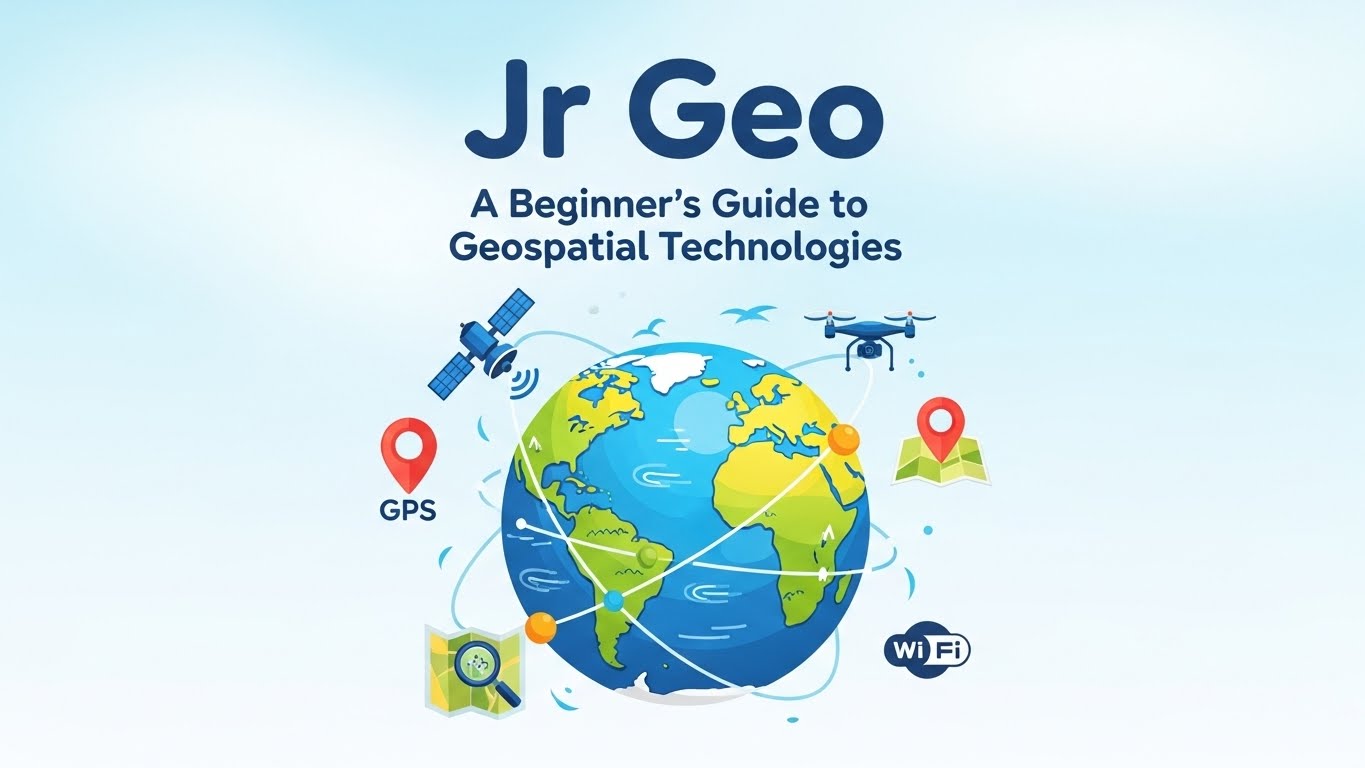
In a world where data is often called the new oil, location has quietly become its most valuable dimension. From logistics routes to climate modeling, from retail expansion to disaster response, the ability to understand where something happens is now just as important as knowing what happens. This is where JR Geo enters the conversation—not as another buzzword, but as a powerful framework reshaping how startups, enterprises, and technologists think about spatial intelligence.
JR Geo is more than a tool or platform; it represents a growing approach to integrating geographic data with real-time analytics, machine learning, and business strategy. For founders and digital leaders navigating increasingly complex markets, understanding JR Geo isn’t optional anymore—it’s a competitive advantage.
Understanding JR Geo in a Practical Context
At its core, JR Geo refers to a modernized approach to geographic data systems that combine traditional geospatial mapping with advanced analytics. Unlike older geographic information systems (GIS) that focused primarily on static mapping, JR Geo is dynamic, predictive, and deeply integrated with modern data stacks.
Think about how ride-sharing apps predict demand in specific neighborhoods or how e-commerce platforms optimize delivery routes in real time. These aren’t just clever algorithms—they’re powered by layered geographic intelligence. JR Geo brings together location data, behavioral insights, and predictive models into a unified framework that businesses can act on instantly.
For a startup founder, this might mean choosing the right city for expansion based on hyperlocal demand patterns. For a logistics company, it could mean cutting delivery costs by 20% through route optimization. The applications are both broad and deeply practical.
Why JR Geo Matters Now More Than Ever
The timing of JR Geo’s rise is not accidental. Several technological and economic shifts have converged to make spatial intelligence essential.
First, the explosion of IoT devices has created a massive influx of location-based data. Smartphones, vehicles, wearables, and even industrial sensors are constantly generating geographic signals. Without a system like JR Geo, much of this data remains underutilized.
Second, cloud computing has made it possible to process massive geospatial datasets in real time. What once required specialized infrastructure is now accessible to startups through scalable platforms.
Third, consumer expectations have changed. People expect hyper-personalized experiences—recommendations that are not only relevant but also location-aware. Whether it’s food delivery or digital advertising, geography plays a critical role in shaping user experience.
JR Geo sits at the intersection of these trends, turning raw geographic data into actionable insights.
The Core Components of JR Geo
To fully grasp the impact of JR Geo, it helps to break it down into its essential components. While implementations may vary, most JR Geo systems share a common architecture.
Data Collection and Integration
JR Geo systems begin by aggregating data from multiple sources: satellite imagery, GPS signals, mobile apps, IoT devices, and public datasets. The challenge isn’t just collecting this data—it’s integrating it in a meaningful way.
Spatial Analytics Engine
This is where the real magic happens. Advanced algorithms analyze geographic patterns, identify correlations, and generate predictive insights. Machine learning models can forecast traffic congestion, customer behavior, or environmental risks based on location data.
Visualization Layer
Data is only useful if it can be understood. JR Geo platforms use interactive maps, dashboards, and 3D visualizations to present insights in a way that decision-makers can act on quickly.
Real-Time Decision Systems
Unlike traditional GIS, JR Geo emphasizes real-time responsiveness. Whether it’s rerouting a delivery truck or triggering an alert during a natural disaster, decisions happen instantly.
Real-World Applications of JR Geo
The versatility of JR Geo is one of its greatest strengths. Across industries, it is unlocking new levels of efficiency and innovation.
Logistics and Supply Chain
Companies are using JR Geo to optimize delivery routes, reduce fuel consumption, and improve last-mile efficiency. Real-time tracking combined with predictive analytics allows businesses to anticipate delays and adjust proactively.
Retail and Market Expansion
Retailers leverage JR Geo to analyze foot traffic, demographic patterns, and competitor locations. This helps them choose optimal store locations and tailor marketing strategies to specific neighborhoods.
Urban Planning and Smart Cities
City planners use JR Geo to manage traffic flows, monitor pollution levels, and design smarter infrastructure. The result is more efficient and sustainable urban environments.
Agriculture and Environmental Monitoring
Farmers and environmental agencies use JR Geo to track weather patterns, soil conditions, and crop health. This leads to more informed decisions and better resource management.
A Comparative View of Traditional GIS vs JR Geo
To understand the shift, it’s helpful to compare JR Geo with traditional GIS systems.
| Feature | Traditional GIS | JR Geo |
| Data Type | Static | Real-time and dynamic |
| Analytics Capability | Basic mapping | Advanced predictive analytics |
| Integration | Limited | Seamless with modern data stacks |
| User Experience | Technical, specialist-focused | User-friendly, business-oriented |
| Decision-Making Speed | Delayed | Instant, real-time |
This evolution reflects a broader trend in technology: moving from passive data analysis to active, decision-driven intelligence.
How Startups Can Leverage JR Geo
For startups, adopting JR Geo doesn’t require massive budgets or specialized teams. In fact, many modern tools and APIs make it accessible even at early stages.
The key is to start with a clear use case. A food delivery startup might focus on optimizing delivery zones. A fintech company could use location data to detect fraud patterns. A travel platform might personalize recommendations based on user location and behavior.
What sets successful companies apart is not just access to data, but how they use it. JR Geo enables startups to make smarter decisions faster, reducing uncertainty and improving outcomes.
Challenges and Considerations
While JR Geo offers immense potential, it’s not without challenges.
Data Privacy and Ethics
Location data is highly sensitive. Companies must ensure compliance with privacy regulations and maintain user trust. Transparent data practices are essential.
Data Quality and Accuracy
Inaccurate or incomplete data can lead to flawed insights. Ensuring high-quality data sources is critical for effective JR Geo implementation.
Technical Complexity
Although tools are becoming more accessible, implementing a robust JR Geo system still requires technical expertise. Businesses must balance ambition with practicality.
The Future of JR Geo
Looking ahead, JR Geo is poised to become even more powerful as technologies like artificial intelligence, edge computing, and 5G continue to evolve.
Imagine autonomous vehicles that navigate cities using real-time geospatial intelligence, or augmented reality experiences that adapt to your exact location. These are not distant possibilities—they are already beginning to take shape.
For businesses, the question is no longer whether to adopt JR Geo, but how quickly they can integrate it into their strategy.
Conclusion: Why JR Geo Is a Strategic Imperative
JR Geo represents a fundamental shift in how we understand and use data. By adding the dimension of location, it transforms raw information into actionable intelligence that drives real-world outcomes.
For startup founders, entrepreneurs, and tech professionals, the implications are profound. JR Geo is not just a technological upgrade—it’s a strategic tool that can unlock new opportunities, improve efficiency, and create competitive advantages.As industries continue to evolve, those who embrace spatial intelligence will be better positioned to navigate complexity and seize emerging opportunities. JR Geo is not the future—it’s already here, quietly shaping the decisions that define success in the digital age.