










In a world where digital transformation is no longer optional, a new concept—frehf—is quietly reshaping how startups and technology leaders think about building, scaling, and sustaining modern systems. Whether you’re launching a SaaS product, optimizing internal workflows, or exploring emerging tech ecosystems, understanding frehf can give you a strategic edge. It’s not just another buzzword; it represents a shift toward more adaptive, efficient, and human-centered digital frameworks.
At its core, frehf is about bridging the gap between speed and sustainability in technology. It challenges the traditional mindset of “build fast, fix later” and replaces it with a more refined approach: build smart, scale responsibly, and evolve continuously. For founders and tech professionals navigating competitive markets, this mindset isn’t just valuable—it’s essential.
What Is frehf and Why It Matters
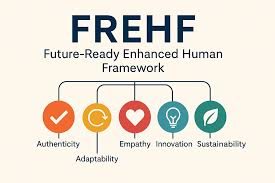
The concept of frehf can be understood as a hybrid framework that combines flexibility, resilience, efficiency, human-focus, and future-readiness. While many organizations pursue these goals individually, frehf integrates them into a unified operational philosophy.
In practical terms, frehf encourages companies to design systems that are not only scalable but also adaptable to change. This is particularly relevant in an era defined by rapid technological shifts, where yesterday’s solutions often become obsolete within months.
For startups, this means avoiding over-engineered architectures that slow down innovation. For established companies, it means rethinking legacy systems that hinder agility. In both cases, frehf acts as a guiding principle for making smarter, long-term decisions.
The Real-World Context Behind frehf
To understand the rise of frehf, consider the challenges faced by modern tech organizations. Cloud infrastructure has made scaling easier, but it has also introduced complexity. Agile methodologies have improved development speed, yet they sometimes sacrifice long-term stability. AI tools are accelerating innovation, but they require thoughtful integration to avoid inefficiencies.
frehf emerges as a response to these contradictions. It acknowledges that speed without structure leads to chaos, while structure without flexibility leads to stagnation. The solution lies in balance—and that’s exactly what frehf aims to achieve.
Imagine a startup building a fintech platform. Without a frehf mindset, the team might prioritize rapid feature releases, accumulating technical debt along the way. With frehf, they would focus on creating modular systems, enabling faster updates without compromising stability. Over time, this approach reduces costs, improves performance, and enhances user experience.
The Core Pillars of frehf
While frehf is not a rigid framework, it is built on several foundational principles that guide its implementation.
First, flexibility ensures that systems can adapt to changing requirements without major overhauls. This involves modular architecture, API-driven design, and scalable infrastructure.
Second, resilience focuses on reliability and fault tolerance. In a frehf-driven system, failures are anticipated and mitigated through redundancy and intelligent monitoring.
Third, efficiency emphasizes optimal resource utilization. This includes cost management in cloud environments, streamlined workflows, and performance optimization.
Fourth, human-focus prioritizes usability and developer experience. Technology should empower people, not complicate their work.
Finally, future-readiness ensures that systems are designed with emerging technologies in mind, allowing seamless integration of innovations like AI, automation, and decentralized systems.
How frehf Transforms Startup Strategy
For startups, adopting frehf is less about theory and more about survival. Early-stage companies often operate under intense pressure to deliver results quickly. However, shortcuts taken in the early phases can lead to long-term challenges.
frehf encourages founders to think beyond immediate milestones. It promotes building a foundation that supports growth without constant reinvention. This doesn’t mean slowing down—it means being intentional about how you scale.
A startup that embraces frehf might invest in clean code practices, even under tight deadlines. It might choose scalable cloud solutions instead of cheaper but limiting alternatives. These decisions may seem small, but they compound over time, creating a significant competitive advantage.
frehf in Action: A Comparative View
To better understand the impact of frehf, consider how it compares to traditional approaches:
| Aspect | Traditional Approach | frehf Approach |
| Development Speed | Fast but often unsustainable | Balanced speed with long-term planning |
| System Architecture | Monolithic or rigid | Modular and adaptable |
| Technical Debt | Accumulates over time | Minimized through proactive design |
| Scalability | Reactive scaling | Built-in scalability |
| User Experience | Secondary priority | Central focus |
| Innovation Readiness | Limited flexibility | Designed for future integration |
This table highlights how frehf doesn’t just improve one aspect of development—it transforms the entire ecosystem.
The Role of frehf in Emerging Technologies
As technologies like artificial intelligence, blockchain, and edge computing continue to evolve, the need for adaptable systems becomes even more critical. frehf provides a framework for integrating these technologies without disrupting existing operations.
For example, a company leveraging AI for customer insights must ensure that its data infrastructure can handle increased processing demands. A frehf approach would involve designing data pipelines that are both scalable and efficient, enabling seamless AI integration.
Similarly, in the context of decentralized systems, frehf encourages interoperability and modular design, allowing organizations to adopt blockchain solutions without overhauling their entire architecture.
Challenges in Implementing frehf
Despite its advantages, adopting frehf is not without challenges. One of the biggest hurdles is mindset. Many organizations are привыкed to prioritizing short-term gains over long-term sustainability. Shifting this perspective requires strong leadership and a clear vision.
Another challenge is resource allocation. Building frehf-driven systems may require upfront investment in better tools, training, and infrastructure. However, these costs are often offset by reduced maintenance and improved efficiency in the long run.
There is also the complexity factor. Designing flexible and resilient systems requires expertise and careful planning. Without proper execution, the benefits of frehf may not be fully realized.
Practical Steps to Adopt frehf
Transitioning to a frehf model doesn’t happen overnight. It begins with small, deliberate changes that gradually reshape how your organization operates.
Start by evaluating your current systems. Identify areas where rigidity or inefficiency is holding you back. This could be outdated infrastructure, poorly documented code, or fragmented workflows.
Next, prioritize modular design. Break down complex systems into smaller, manageable components that can be updated independently. This not only improves flexibility but also accelerates development cycles.
Invest in monitoring and analytics. A frehf-driven system relies on real-time insights to maintain performance and resilience. Tools that provide visibility into system behavior are essential.
Finally, foster a culture of continuous improvement. Encourage teams to experiment, learn, and iterate. frehf is not a one-time implementation—it’s an ongoing process of refinement.
Why frehf Is the Future of Digital Innovation
The digital landscape is becoming increasingly complex, and traditional approaches are struggling to keep up. frehf offers a new way forward—one that prioritizes balance, adaptability, and long-term value.
For entrepreneurs, it provides a roadmap for building sustainable businesses. For tech professionals, it offers a framework for creating systems that are both powerful and manageable. And for organizations as a whole, it represents a shift toward smarter, more responsible innovation.
As the pace of change accelerates, the ability to adapt will become the defining factor of success. frehf equips you with the tools and mindset needed to thrive in this environment.
Conclusion
frehf is more than a concept—it’s a strategic approach to navigating the complexities of modern technology. By combining flexibility, resilience, efficiency, human-focus, and future-readiness, it enables organizations to build systems that are not only effective today but also prepared for tomorrow.In a world where digital transformation is constant, those who embrace frehf will be better positioned to innovate, scale, and succeed. The question is no longer whether you can afford to adopt frehf—it’s whether you can afford not to.